Wednesday, July 18, 2012

Mizoram Civil Service, 2011 - Geography Question


MIZORAM CIVIL SERVICE EXAMINATION, 2011 QUESTION
GEOGRAPHY
Paper I                                                                                                                 Full Marks: 100
Time Allowed: 3 Hours
Figures in the bracket indicate full marks of the questions.
Attempt any 5 (five) questions taking not more than 3 questions from each Section.

SETION – A
(Physical Geography)
  1. What is meant by weathering of rocks? Describe the processes of rock weathering and also highlight the significances of the weathering types to understand the physiographic characteristics of any region of the earth. (6+4+10 = 20)
  2. Discuss in details the climatic classification of the world as was suggested by Koeppen or Thornthwhite. Elaborate the basis of their classification. Highlight the major drawbacks of the classification. (10+6+4 = 20)
  3. Classify soil into major sub-types and highlights its global distributional pattern. What are the causes of soil degradation? Give an account of this problem with special reference to NE India. (3+9+8 = 20)
  4.  Give an account of the biotic, mineral and energy resources of the oceans of the world. How are these resources being utilized? Does the configuration of the oceans affect the deposition of these resources? (12+4+3=20)
  5. What do you understand by biotic resources? Give an account of the biotic resources of the world and indicate the need for their conservation particularly in the 21st Century. (4+10+6=20)

SECTION – B
(Human and Economic Geography)

  1. Give an account of the contribution of the Arab Geographers to the development of the subject. How did the Arab scholars develop the branch of mathematical geography? (10+10=20)
  2. Give an account of the factors influencing the growth of world population. Demarcate on a world map the population density regions of the world. Explain how the growth of population and density of population is related. (10+4+6=20)
  3. Distinguish between ‘urban growth’ and urbanisation’. Discuss the trend of urbanization in the world during the 20th Century. Critically evaluate why many third world countries have experienced urban growth without urbanization. (4+10+6=20)
  4. Discuss in details the concept of ‘Heartland Theory’ of Mackinder and explain how Spykman opposed the concept and developed his theory of ‘Rimland” in the geo-political study of the past hundred years. (12+8=20)

  5. What do you understand by ‘energy resources’ and ‘energy crisis’? Give an account of the distribution of any one of them. Do you think that the world is passing through a major energy crisis? Elaborate. (4+9+7=20)


PAPER – II
(Geography of India)
Time Allowed:3 Hours                                                                             Full Marks: 100
Figures in the margin indicate full marks for the questions. Attempt any 5 (five) questions.

  1. Name the physiographic regions of India and discuss in details any one region, highlighting its geological and topographical features. Examine the natural vegetation variation of the region. (2+14+4=20)
  2. Give an account of the drought prone areas of India and examine the factors leading to drought in these areas. Discuss the Drought Prone Areas Programme (DPAP) of Indian Government and how effective are these programmes? (4+8+8=20)
  3. Discuss the trend of Growth of Indian population since 1951 onwards. What are the factors responsible for such growth pattern? Give an account of the population policies of India for controlling the growth rate. (6+6+8=20)
  4. Examining the characteristics of Green Revolution, explain had helped in the development of Indian agriculture. What are the socio-ecological implications of Green Revolution in India? (8+6+6=20)
  5. What are the important agro-based industries of India? Give an account of the factors of location and distribution of cotton textile industry in the country. What are the recent trends of the Industry? (4+12+4=20)
  6. Give an account of the network of roadways of India. Examine the role of physical and economic factors on the development of roadways in the country. (8+12=20)
  7. Define an urban settlement as per the Indian census. In the light of the definition, classify Indian towns and cities (as per 2001 census). What type of towns have emerged in your state and give reasons for the growth of such type of towns. (5+9+6=20)
  8. Give an account of the planning regions of India with special references to the tribal and hill areas development planning. (6+14=20)
  9. Examine the role of Indian union as a major geo-political power in South and South East Asia. Do you think that aggressive regional consciousness has resulted in weakening national integration? Discuss. (12+8=20)
  10. What are the geopolitical issues associated with the international boundary of India? How do you assess India’s position in the geopolitics of Indian Ocean? (10+10=20)


Tuesday, July 17, 2012

Mizoram Civil Service, 2011 - Sociology Question


MIZORAM CIVIL SERVICE EXAMINATION, 2011 QUESTION
SOCIOLOGY
Paper I                                                                                                                 Full Marks: 100
Time Allowed: 3 Hours
Figures in the bracket indicate full marks for the questions. Attempt any 5 (five) questions.

  1. What are the techniques of data collection in sociological research? (20)
  2. According to Emile Durkheim, ‘social facts’ can be studied with the help of scientific method. Explain and elaborate. (20)
  3. What are the different types of authority as put forward by Max Weber? Explain with examples. (20)
  4.  Explain one theory of social stratification. (20)
  5. Give a definition of family and its functions. (20)
  6. Write an essay on the social aspects of pre-industrial economic systems. (20)
  7. Explain how industrialization brings about changes in the political, economic, educational, and religious spheres. (20)
  8. Explain the nature and characteristics of community power structure. (20)
  9. What is the significance of religion in social life? Briefly discuss Malinowski’s study of religion. (20) 
  10. Discuss the various theories of social change. Elaborate one of them. (20)

PAPER – II

Time Allowed: 3 Hours                                                                                Full Marks: 100
Figures in the bracket indicate full marks for the questions. Attempt any 5 (five) questions.

  1. What are the bases of traditional Hindu social organization? Also, discuss the factors of change in Indian society. (20)
  2. Write an essay on the cultural and structural perspectives on the caste system. (20)
  3. Discuss the regional variations in the kinship system in India with examples. (20)
  4. Describe the Indian market economy and discuss its social consequences. (20)
  5. Explain the decentralization of power mentioning the importance of political participation. (20)
  6. Discuss the major problems of women’s education in India. (20)
  7. Critically examine the problems of conversion in the context of secularism as a national policy.  (20)
  8. “Tribal societies are in the process of acculturation and integration.” Discuss the factors responsible for this change. (20)
  9. What is Community Development Programme? Discuss the new strategies of rural development. (20)
  10. What are the features of urban social organization? Differentiate urban social organization from rural social organization. (20)
____________________X-X______________________X-X__________________________

Monday, July 2, 2012

Some Pictures


Wednesday, December 21, 2011

Advance Christmas (2011) in Myanmar

Monday, October 3, 2011

India Got Its First Woman Soldier


Sapper Shanti Tigga, a 35 year old single mother of two becomes the first woman jawan on 3 October, 2011. She joined the 969 Railway Engineer Regiment of Territorial Army (TA).

Previously, Shanti was working with the Indian Railways as points-man. She was posted in West Bengal's Jalpaiguri district at Chalsa Station. She volunteered for the TA in 2010.

Shanti dreamt of joining the army, wear the olive green uniform and fire guns were fulfilled.

"Women are allowed to join the armed forces only as officers in the non-combat units. But Tigga has earned a unique distinction of being the first lady jawan in the 1.3 million strong defence forces," a senior army officer said.

Woman were only recruited in the joined the army as officers in the non-combat units. However, that could hardly deter Shanti’s perseverance.

Shanti out performed her male counterparts in the physical tests. "She performed exceedingly well in all the physical tests. She took five seconds less than her male counterparts to complete a 1.5 km run. She completed the 50 meter run in 12 seconds which is rated as excellent," the officier continued.

During her Recruitment Training Camp (RTC), she was the top marksman and her overall performance resulted in her being adjudged as the best trainee.

Friday, September 16, 2011

Security Snip


Extra vigil along Indo-Bangla border
The Border Security Force (BSF) kept extra vigilance along the Indo-Bangla border. Ahead of Prime Minister Manmohan Singh's visit to Dhaka in the second week of September, BSF special Director General (East) V N Rai, who is based in Kolkata, was on a five-day tour of Barak Valley in Assam and areas of Mizoram bordering Bangladesh. The senior BSF official's visit to the area took off on 28 July. 


Sources reports that Rai, was on a familiarisation tour of Mizoram, Assam and Manipur. The security official visit was significant in view of the Indian Prime Minister's September 6 visit to the neighbouring country along with five chief ministers of the region.


It may be recalled that in May 2010, the Government of Mizoram and the BSF were understood to have discuss deployment of more BSF personnel in Indo-Bangladesh border area to check infiltration and clandestine movement of contraband goods.

An official statement from Aizawl on August 22, said the Prime Minister would visit the neighbouring Bangladesh, which shares a 318-km-long international border with Mizoram, on September 6 and 7 for which he extended a formal invitation to Lalthanhawla, the CM of Mizoram. In the statement Singh said, “Your presence in the trip would show India’s sincerity to have co-operation in different sectors to the government and the people of Bangladesh.” 

India as always has wanted to have a cordial bilateral relationship with Bangladesh.

Home Minister held internal security meeting
Home Minister Chidambaram held a security review meeting on September 8, after a bomb blast in one of the entrance of the Delhi High Court which killed 12 people and injured 91. Besides the National Security Advisor, Shiv Shankar Menon the meeting was attended by officials of the National Intelligence Bureau (NIA), Research and Analysis Wing (RAW) and the Intelligence Bureau (IB).

Mumbai airports on alert
The Chhatrapati Shivaji Airport in Mumbai has been put on high alert after a warning that terrorists may be planning to attack the airport. Intelligence agency of the Maharashtra government warns that small planes may be hijack in the attempt. Small planes or helicopters are put under strict surveillance by the security agencies.

Coastal security beefed up
The government has also reviewed the coastal security and sounded high alert across the western coast. High security arrangements have been made at the Mumbai beach. Search operations are going in full strength. This has been necessitated by the threat received by the Mumbai airport. It may be recalled that the perpetrators of the Mumbai attack of 2008, popularly called 26/11 had made their entry into the city from the sea.

Conference of DGPs addressed by P. Chidambaram
Union Home Minister P. Chidambaram referred to the bomb blast in New Delhi and Mumbai as, “a blot in our record”.  This he said while addressing the Director General of Police (DGP) from the different state of the country on 15 September. He argued that India was not the only country affected by terrorism. He said that Af-Pak which is among the top region hit by terrorism is the epicenter of terror.  India fight against terrorism has been successful to some extent, while there is lot to be done, he adds.

Cartridges found in abandoned bag
Cartridges of .315 bore and .32 bore pistol were recovered during a security check on the night of 14 September at the Bhasuali bus-stand of Meerut, 450 KM from Lucknow.  The cartridges contained in an abandoned bag numbered 690. Preliminary investigations indicate the cartridges were illegally manufactured in Moradabad city of UP and were to be supplied to criminal gangs in the western part of the state.

Monday, May 30, 2011

Snake Kuchu


Snake mating.

Wednesday, April 27, 2011

Japan Horrid Tsunami - March 2011


Sunday, April 24, 2011

Grace Rivers


Grace, the darling of the Zo web world singing Paite gospel.

Arise ! Awake ! Christ has risen ! He is the resurrection. He lives.

Easter chibai, everyone.

Friday, April 8, 2011

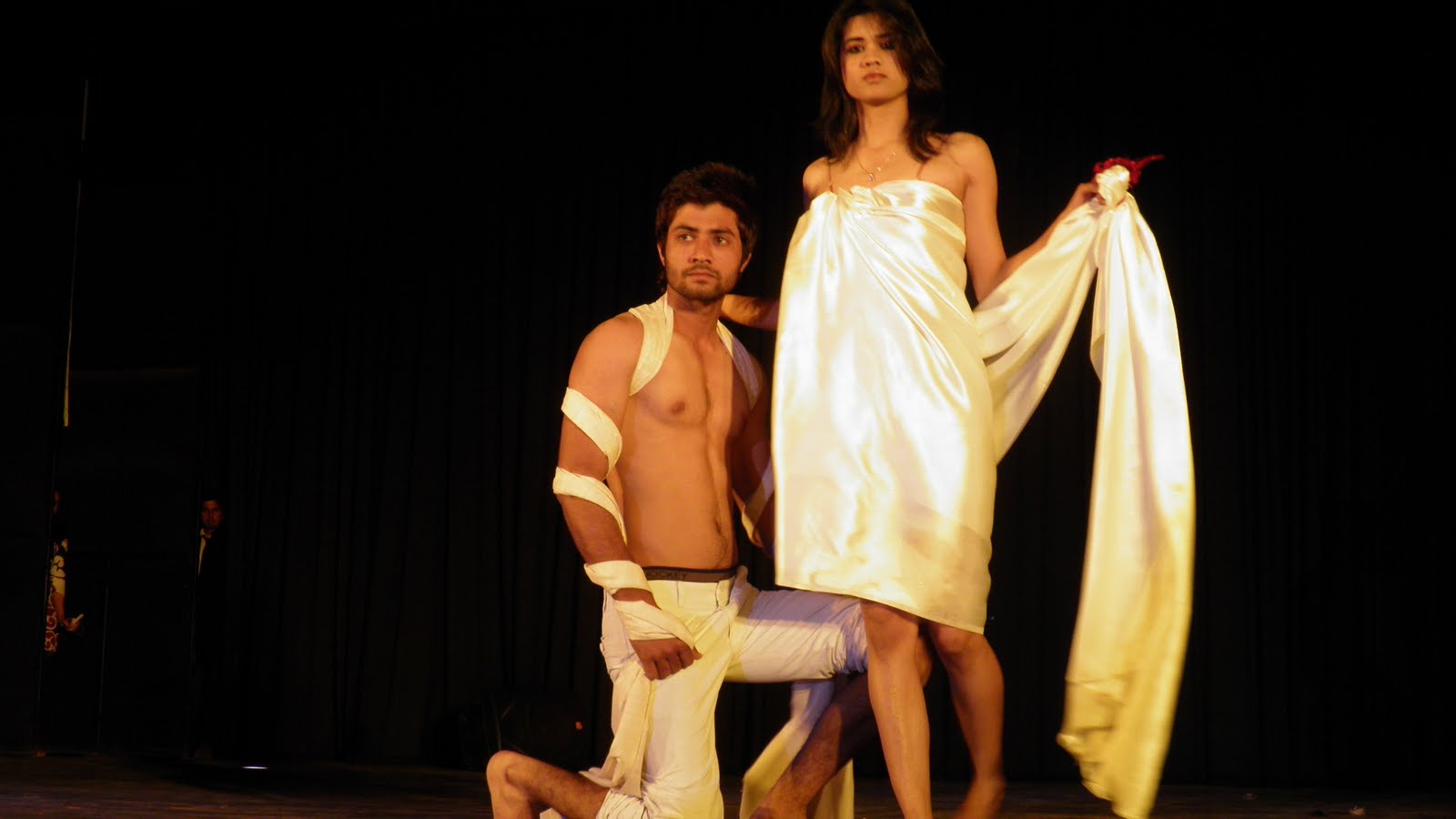
Fashion Show


Wednesday, March 2, 2011

Miho Kut 2011 (Video)


Location: Nehru Park, New Delhi.
Dated: 26.02.2011.

Monday, October 11, 2010

A Brief Sketch of Diplomatic Exchange between Japan and Brazil

The first diplomatic relations between Japan and Brazil was established in November 1895 with the signing of the Treaty of Amity, Commerce and Navigation. Immigration from Japan to Brazil commenced with voyage of the Kasato Maru in 1908. In October 1998, the population of Japanese descent in Brazil is estimated to be 1.3 billion. In December 1998, there are 222,217 number of Japanese-Brazilian working in Japan.

In 1988, Prince Fumihito of Japan visited Brazil and participated in the eightieth anniversary commemoration of Japanese migration in Brazil. Former Prime Minister of Japan Noboru Takeshita visited Brazil in 1990 as a special envoy to the presidential inauguration. Noboru Takeshita again went to Brazil in 1992 along with another former Prime Minister Toshiki Kaifu and attended the UN Conference on Environment and Development. In 1994, Japan’s Foreign Minister Yohei Kono visited Brazil. In 1995, Japan’s Liberal Democratic Party Vice-President Keizo Obuchi attended Brazil’s presidential inauguration as special envoy. Moreover, in November, Princess Sayako attended the centennial ceremony of Japan-Brazil relations in Brazil. In August 1996, Prime Minister Ryutaro Hashimoto makes an official visit to Brazil. Their Majesties the Emperor and Empress of Japan visited Brazil in May-June 1997. In July, the same year Labour Minister Yutaka Okano also visited Japan. In June 1998, Japan’s Foreign Minister Keizo Obuchi visited Brazil. In November, the same year Kenji Manabe, a State Minister and Director General of Environment Agency too, visited Japan. Junichiro Koizumi undertook the second visit of Japan’s sitting Prime Minister to Brazil in September 2004. During the above visits important agreement were signed by the two countries aiming to carry forward their bilateral relations.

Dignitaries from Brazil too, visited Japan for different purposes and reasons. In 1989, President Jose Sarney of Brazil attended the funeral of the Showa emperor. In the following year Japan’s imperial accession ceremonies was attended by Brazilian President Fernando Collor de Mello and Foreign Minister Francisco Rezek. In 1991 and 1992, Brazil’s Economic Minister Mareilio Marques attended the conference of eminent persons held in Tokyo. In 1993, Foreign Minister Fernando Henrique Cardoso and Planning Minister Alexis Stepanenko paid an official visit to Japan. In May 1995, Brazil’s Foreign Minister Luiz Felipe Lampreia and Senator Jose Sarney attended the Inter Action Council held in Japan. In July, Finance Minister Pedro Malan visited Japan. And in November, the same year Brazil’s President Fernando Henrique Cardoso, Vice-President Marco Maciel, Foreign Minister Luiz Felipe Lampreia and Agriculture Minister Jose Eduardo de Andrade Viera visited Japan again. In March 1996, a Brazilian delegation, which includes Industry and Commerce Minister, Dorothea Woerneck, Planning Minister Jose Serra and Communication Minister Sergio Motta visited Japan. Brazil Chamber of Deputies President Luiz Eduardo Magalhaes went to Japan in April. Moreover, in May 1997, Planning Minister Antonio Kandir visited Japan. In November 1997, Japan hosts Brazilian Social Security Minister Reihhold Stephans. In November 1998, Brazil’s Agriculture and Supply Minister Francisco Sergio Turra and Foreign Minister Luiz Felipe Lampreia visited Japan separately. Foreign Minister Celso Lafer visited Japan in May 2002. In response to Koizumi invitation, President Luiz Inacio Lula da Silva of Brazil visited Japan in May 2005.

From 9 April to 13 April 2006, a Cabinet Mission from Brazil led by Foreign Minister, Celso Amorim visited Japan. The mission included Luiz Fernando Furlan, Minister of Development, Industry and Trade and Helio Costa, Minister of Communications. The key objective of the mission is to strengthen bilateral economic relations. Senior Japanese officials were consulted concerning with the issue of the adoption of digital TV system and export of ethanol to Japan. During their stay in Japan, the mission had talks separately with Taro Aso, Minister for Foreign Affairs, Toshihiro Nikai, Minister of Economy, Trade and Industry and Heizo Takenaka, Minister of Internal Affairs and communications and Minister of State for Privatisation of the Postal Services. They also paid a courtesy call to the Prime Minister of Japan, Junichiro Koizumi.

Professor Akiko Yamanaka, Vice-Minister for Foreign Affairs visited Brazil in September 2006. She attended the G-77 Minsiters’ Meeting on Science Technology in Angra dos Reis, on the outskirts of Rio De Janeiro. She spoke on Japan’s science, technology and international cooperation policies during the meeting. During this visit, views were also exchange on the development of Japan-Brazil economic relations with people involved in Japanese corporations that are located in the Manaus Free Zone. Views were also shared with Japanese immigrants and descendants in connection with 2008, the Japan-Brazil Year of Exchange (MoFA 2006).

Taro Aso, Japan Minister of Foreign Affairs visited Brazil in August 2007. Aso had talks with high government officials including Celso Amorim, Minister of Foreign Affairs. They exchange views on cooperation in international arena, joint efforts for the success of Japan-Brazil Year of Exchange in 2008, and revitalisation of strategic economic partneship. He also attended the Third Foreign Minister Meeting of the Forum for East Asia-Latin America Cooperation (FEALAC). In this meeting wide-ranging issues including ‘Trade and Investment,’ the main theme of the meeting were discussed.

In 1998, Japan imported a monetary value of $ 2,903 million from Brazil. These consists iron ore, metal products, steel, coffee, chicken, soybeans, etc. In the same year, Brazilian imports from Japan are estimated to be valued at $ 2,610 million. These consist of machinery and equipment, chemical products, metal products, etc. As on 31 December 1998, Japan direct investment in Brazil is a cumulative total of $ 8,704 million. Japan had given a loan of 287,431 million yen and grants of 131 million yen to Brazil by 1998. Both the countries had undertaken technical cooperation of 67,901 million yen. Japan technical cooperation with Brazil has been the highest in Latin America and the sixth ranking in the world.

Wednesday, September 1, 2010

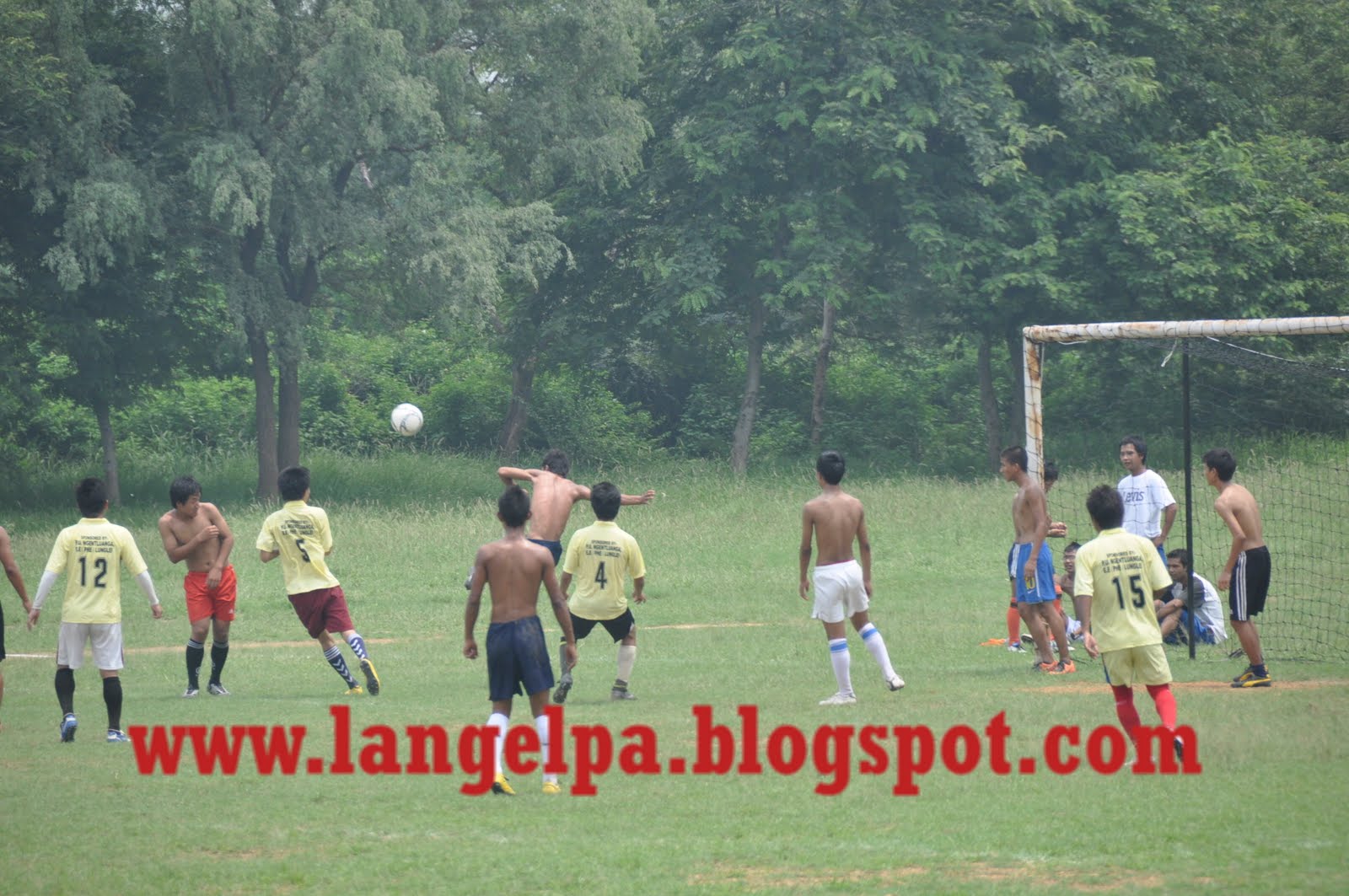
Freshers Sports 2010

Practice match before the D-Day.


Some just arrived while others are already seated.


Stadium,a view from the pitch.


Rooting for their team-JNU Miho Pawl.


Vying for the ball.


Excellent display of footballing skill.


Match of the Day–JNU versus Aurobindo.


Fonzie,diving to save during a shoot-out.


Aurobindo Goalkeeper with his safe hands.


Students from Satya Area.


Interaction with a Reporter.


Match between North Delhi and South Freshers.


Drizzling doesn’t restrain them from cheering their team in the open sky.


Section of the crowd.


Finally it rain. That day, Delhi experienced its heaviest rainfall.

Munirka Shot Stopper under a heavy shower.


Oldstar Goalie tried his best but could not save.


Fans/students of the North Delhi Team.


Add-on I


Add-on II


Venue: JNU Stadium
Camera: Janet Lalawmpuii C. & Kennen
Dated: 14 August 2010

Saturday, July 3, 2010

Well Cup 1990

- Chhingdailova

(Kum 1990 World Cup final-a intum, kumin World Cup Q/F a in su leh tur, Argentina leh Germany te pual in)

Savun ham puar peta khawvel no mawi inchuh (World Cup) ka hmelhriatna hi thangkhat lian a lo ni ve dawn ta reng mai le. Kum 1990 daih tawh khan TV colour lo, black and white hmai lian fahran lo atangin ka hmelhriat ve tan a. Keini naupang a thukawchang leh saptawng tawngchham deuh kha chuan World Cup tih kha kan la hmelhriat em em lova. World Cup tih pawhin kan lam thiam lova, ‘Well Cup’ tiin kan sawi a, kan saptawng zir ve ang ang thawhkhawmin Well chu tha tihna ni a, Cup tih chu No tihna ni bawk a, chu ti chu ‘ No tha’ tihna nih chu tiin kan let ve ang nawk nawk a.

Khang lai hun khan TV kan neih loh avangin TV nei ka pi te ka riah chilh ve a. Zan tairekah ka patea’n ka riah chilh ber mai en tur a ti a min kai tho mai chuh Football lek a lo ni a. A dik a dik chuan, World Cup tih a lar hle a mahse khang football kha a nih ka ring pha chiah lo in ka hria. Naupang thanglai mut tui rual lek, mu tui lai han rehbun sak kha chu buaithlak tak a ni, tuitang pawhin ka en ta lo reng a ni.

Bangladesh Channel-ah ruai ropui:
Khang hun lai kha chuan In tinin TV nei hek lo le. TV nei Inah khan an khawngaihna kan dil thin a nih kha. Inthlahrung takin “in TV kan lo en, kan vawih lo ang, kan bengchheng lo ang” tih vel hun lai kha a ni thin a (Mahse kei chu ka ti ve ngai lo). Tin,Mizoram (a bikin Aizawlah)ah khan Bangladesh leh Doordarshan (DD) channel chiah kha a awm thin a. TV programme a chhe em em chung khan, kan en peih em em tho a. TV a la tlem bawk a, TV en rawp a na a ni ber e.

Bangladesh channel khan India Doordarshan aiin an chhuah hmuhnawm zawk vangin Bangladesh channel man thei TV nei In kha a lun lo thei lova. Bangladesh ram, keini India aia ram rethei zawk channel kha a lar em em mai a ni. Bangladesh channel man fiah nan Antenna kakah khan Pressure cooker in a chhawm aluminium plate pawp sir siar kha an tar far thin. Khang lai khan Antenna herh sawnin a fiah leh fiah loh zawt in an au lauh lauh kha a zahthlak loh reng reng a, in tih theih ngawih ngawihna tham a tling a ni.

Bangladesh channel kha kan en zing bawk a niang a fakna thleng thleng khan kan bye heart thei nia. Mawza fakna Cycle khalh palha hmeichhe naupang in a fak lai a, Pangkal mawza (pongkal moja a ni mai thei) tih hla te kha tun thleng hian ka la sa thiam a sin. India DD lam khan Football ngaisang ve vak hek lo, Bangladesh ho Football ruaitheh fiah mang lo deuh kha phur takin kan lo kil pui ve thin a ni ber e.

Maradona mawlh kha:
Chung hun lai chu Football legend ropui, Maradona vanglai a ni a. A ball ben luh (hand of god) avang a No mawi (World Cup) an hawn hnu a World Cup leh hmasa ber anih avangin a hming kha keini ram chengkerh tak Zoram thleng pawh khan a lar em em a nih kha. Kha tih hun lai na na na kha chuan MLA ah pawh in candidate sela, a va tling chiang dawn tak em. Nu tar te te, Mardona leh dona lo pawh hre hrang lo te khan an tan zual emaw tih tur a ni. A ni Maradona lah kha a lo duai lo nasa mai a, a pa lian vak bik lo chung khan mi a chawk buai hneh thin teh e. A tang thei em em a, a tlan pahin ball a’n chawk kawi vel te leh a tumpui te dim a hlawh lo zia mawlh te kha. Cameroon nen an inkhelh tum phei chuan Ball emaw an ti ringawt an tih thin tak kha maw le.

Amaherawhchu, kha Well Cup-ah khan Maradona te lam kha a vannei lo lamah an tang ta hlauh a. No mawi a zawna hawn ngei in beisei in an rawn thawk chhuakna a, German ral lian an tawn tlang zo bik ta lova, West Germany in final-ah an tlawm ta hlauh mai a. Khang hun lai kha Germany la inthen lai a nih kha kan hre theuh awm e. Mahse, kha mi kum tawp dawn October thla khan an inzawm khawm ta reng a nih kha. Well Cup chak vang ni tak maw le….Maradonna larna khan a daih rei ngawt mai, a hnu kum tam fe hnu thleng hian World Cup a Maradona tan em em leh a khel lai hmuh tum tlat an la tam em em a nih kha.

Second goalie a thiam zawk :
Well Cup lai khan Argentina first goalie (khang lai in goal keeper kan ti ve ngai lo) Pumpido kha a inhliam hlauh mai a, Second goalie Sergio Goycochea khan a thlak a nih kha. Ani te kha a lo thiam zek mai a, mi lawm a lo hlawh zek ni tur a ni, second goalie thiam zawka ngaihna kha kan nei tlat mai a. Well Cup zawh khan Football rau kha a thleh chhunzawm nghal a, keini naupang pawh khan Football tuina rau chu kan chang ve thuai a, Club kan din ve ta a. Kei chu first goalie ka ni a, kei aia thiam zawk kha second goalie a ni thung a, enge second goalie thiam zawkah mi zawng zawng in an ngaih lai a ni ve miau a.

Kan club official jersey atan Sweat shirt uk tial, hlui lam pang deuh tawh kha goalie jersey-ah kan hmang a. Kha kawr goalie jersey chiah kha kan form (jersey) neih chhun a ni mai a. Kan second goalie kha chuan a jersey tur a rawn intodelh ve thung a. Kan jersey chu goalie kawr pangngai ang takin a kiu vel leh a koki velah hian Dendrite in thil dup (sponge) kan vuah ve bawk a, a pawng ve deuh al a. A hnungah Siai (shoe polish) ngei hian a number kan chhu kulh a. Lehkha puan (excercise book pawh thlak ngei ah) ah number One (1) lem nalh takin kan ziak a, blade in ka zai kua a, nalh takin kan chhu kai ve ngei a. A hma lamah ‘F’ tih kan chhu bawk a, F tih awmzia kha an hre si lo min zawt laih laih a, kan sawi mai duh lo a nuam ve tak a ni. Mahse khang hun laia ka lo beih ve na kha tun hnu hian eng ruai chu ka nih pui ta lem hlei lova. Mahse, ka second goalie hi a tih tlak zui ta phian a, an veng aiawhin a goalie zak zak maw le….

Well Cup ti ti :
Well Cup a ni bawk a, ti ti leng vak pawh a tam na rawh e. Ti ti tam tak leng kara ka la hriat reng chu Cameroon player ho an rethei lutuk a, an team mawza man tur pawh an nei lo tih te kha a nia. An khel ras (rough) em a vangin “khelh mawi kan tum lo, chak kan tum” tih ang reng te kha an sawi an ti a. He mi Well Cup hian a lawm Japan ho chungchang an sawina, hman kuma World Cup an tel tumin an goalie atan robot an siam a, mihring ang chiah a ni a. A lamah ball a lo kala kut chunglamah a phar chuan a kutin ball a man/hip chat chat thei a. Mahse vanduithlak takin a zun an test-naah a zun kha theitui (juice) vek a lo ni a, an man chhuak tih ang reng te kha kan hre ve a. Khang tu pa zukhawn chang lo dawt ho tak kha aw…

Tin, inhremna atana Red card leh Yellow card te hi kum 1970 World Cup a an hman tan (introduce) daih tawh ni mahse, Mizoramah a nawlpuia mipuiin kan hriatthiam tura a lo luhna kha he 1990 World Cup hi a ni tlat. Tin, back pass goalie in a lo man pawh hi, kha mi kum khan an uar lutuk a, an titawp phah nita in ka hria (hre dik tak maw)

Final hmuhnawm lo chu :
Kha Well Cup kha a rauin min man hneh hle tih bak kha inkhel kan en dan chanchin hriat ka nei tam lo kher a sin aw. DD in a pek chhuak loh avang leh Bangladesh channel kha khawi hmunah pawh a man theih lohna lai tak kha a buaithlakna chu a ni a. Man thei deuh bik an awm a. A man thei bik kha TV ni lovin a awmna hmun a ni zawk a. Final zan te khan inkhelh hmate kha chuan kan sa-hawk ve viau chuan ka hria a, Final zan khan final match chhuahna ber channel kha ka pi te khan man ve hek lo le, DD ah circus tihna hmuna an ti ti (circus pawh an show chuang lo, circus show-na hmuna ti ti chiah a ni) ka nu ho khan kan en a, a va han hmuhnawm loh teh reng ve aw.

Eng ber nge an sawi pawh kan hre lova, second babu kha an ti sek leh nghal a,a hre thiam tan pawh a ngaihnawm nek a nge maw ni le? A hmuhnawm loh teh lul nen tun thleng hian ka mitthlaah a la cham reng nia maw le. Ka World Cup final en hmasak ber a ni ve miau a. Chawhni tlai DD channel in World of Sport an tih ah te khan World Cup lam picture chu a background-ah hian an dah ve ngei tak a. A in khel lai lam reng reng an ti duh reng reng lo mai a. Vai putar deuh ho ti ti hlir kha a chhuak a, a va runthlak tak thin em ve aw.

Well Cup hnu a World Cup
Dik tak chuan kum 1990-a Well Cup ve kha mumal tak pawhin ka en awm pawh ka hre lo. Tin, a khelh hun kha a tlai a, keini naupang tan kha chuan en hleih theih kha a ni meuh lova. Tun hnua ka thlir let leh hian chhun lama an chhuah nawn (replay) kuangbang vel ka kan zut ve mai mai ni awm tak a ni. Mahse ka en vak loh berah khan thawnthu ka ngah ber a, chiang kuanga ka en ve theih hnu hi chuan chanchin sawi tur abar ka nei der lo zawk zu nia.

Kum 1994 World Cup lai khan Brazil tan hri a leng a, Roman Catholic kulhmuk ram Italy te kha Kristian an tamna lam en hauh lo Lal Isua khengbet tute ram tih a ni a. A lehlamah lah chuan Brazil ram Samba culture leh an Carnival boruak khawvel tur zia khuh vekin Brazil-a Isua lim lian tak an din thu te kha, a hmuh pawh kan la hmuh eih loh kha kan han sawi vul ve vak vak kha a ni mai a. Kum 1994 World Cup hian ban bun (wrist band) Mizo te hnenah a rawn theh lar hle a, ban rek nei zawng zawng deuh thaw chuan bun vek an tum tak kha maw.

Kum 1998 World Cup phei chuan TV nei an punga, mi In-a en ho luih luih hun a liam a, World Cup hlutna pawh a tla hniam tan der a. Kum 2002 kum zet chu ka hriatna a dai tawh lo turin World Cup 2002 laiin vawkin kan sa a. Pathian thu zir zo, result nghak lai (tunah chuan Pastor a ni daih tawh) khan min sak pui a. A pumrua a liana, a lian sa tliah a ni lova a chakin a taima em em bawk a ni. Perek a’n chhu te lah chu inches 5 pawh nise, a inches 2 vuak luh hmiah hmiah mai kha a ni a, World Cup vawi hnih lai (2010 thleng) daih zan in min sak sak ta reng a. Kumin phei chu World Cup a nih vang pawh ni chuang lovin an ti lian (extend) nghe nghe a.

Kum 2006 a nih phei chuan match khat en tluan tur pawhin insan mar fe a ngai a, ka en tluan ta miah lo emaw ni lehnghal ni, chutiang vel chu kan ni a. Kum 2010 a lo nih chuan Opening ceremony leh Closing ceremony kan nghak hlel hlur tawh mai a nih hi….

Aw kum 10 liam ta Well Cup kan en lai tak te kha a ngaihawm rum rum ta mai dawn a lawm le.

Tuesday, May 25, 2010

Women’s Reservation Bill – Where Do We Go from Here?

The Women’s Reservation Bill is in paper for more than a decade. It assured a minimum of 33 percent reservation for women in the Parliament and legislatures. This is a great attempt in the route to empowerment of women in independent India. The low position of women in the Indian society is entrapping social progress. Indian women have been historically denied social, economic, and political opportunities. The transformation of the bill into a law will be a breakthrough in the process of social reformation. Upliftment of the status of women largely depends upon their very own political representations in a democratic system. The success of reservation of seats for women in panchayats enhances the argument for the introduction of the bill in the Parliament.

The union cabinet had approved the introduction of the Women’s Reservation Bill. The very notion of its introduction created rift among the ruling coalition. However, the Congress Party is confident that it would sail through in both the Houses. The Rajya Sabha passed the Bill on March 9, 2010. The passage of the bill was being hailed as a positive step towards social reform. The Congress and major opposition parties like the BJP and CPM voted for the Bill. The United Progressive Alliance (UPA) strategist now set March 16 deadline for the introduction of the Bill in the Lok Sabha.

Main opponent of the Bill, the Yadav trio - Laloo Yadav of Rashtriya Janata Dal (RJD), Mulayam Singh Yadav (Samajwadi Party) and Sharad Yadav (Janata Dal (United)) are not as powerful but were shrewd enough in the nuances of coalition politics. Their nature in opposing the said bill in the Rajya Sabha has developed cold feet in the government inspite of the overwhelming majority it secured. Seven opposing MPs belonging to parties like Rashtriya Janata Dal, Lok Janshakti Party and Samajwadi Party had to be forcibly removed from the House. The Congress led UPA is never secure with its thin majority. The UPA has the number. However, there is always a sense of unease among its members.

Politicking is at its best before the March 16 deadline for an observer of the game. On April 27, the opposition tabled a ‘cut motion’ intending to oppose excise duty hike on petroleum products. The motion was moved in Parliament seeking to cut a budgetary grant by a token of Rupees 1. It is a symbol of disapproval. This particular motion sought a cut in the grant of the petroleum ministry. It was another trail of strength for the ruling UPA.

The government at this crunch juncture is recued by some ‘frenemies’. The Bahujan Samaj Party (BSP), the RJD, the SP and Janata Dal (Secular) abstain in the crucial voting. This greatly reduced the number which the ruling UPA need to reach. They claimed that they supported the government to keep “communal forces” at bay. Shibu Soren of Jharkhand Mukti Morcha (JMM), who led a BJP-back government in Jharkhand surprised everyone by supporting the treasury bench.

Politics is a number game. The government has to get the required number where the total strength of its member is 545. The UPA strategist knows how to play the game. And, they played well. They defeated the cut motion by 88 votes. Thus assuring their continuance in office.

In politics, there is no free support. Speculation is widespread that after the Rajya Sabha passed the Women’s Reservation Bill, leaders of the RJD and the SP met Congress managers. It is here they assured the Congress of their support in the impending cut motion if the women’s bill was kept pending. It took 13 long years to introduce Women’s Reservation Bill in the Upper House. And, now its buried in deep waters. No one knows when it will surface again. Women’s Reservation Bill – quo vadis? As in the past, fate of the Bill remains uncertain as ever.

One can argue that the intriguing part of Indian politics in its vagarious nature. However, this very nature of our political elite drove our country backward. Recall as for an example, it is the SP that bailed out the UPA during the ruckus over the Indo-US nuclear deal. The same party opposed them during the women’s bill debate in the Rajya Sabha. Moreover, the same party support the UPA during the cut motion. To achieve real progress, our political parties must have a well entrench policy. They must have a vision for the country. They need to shed using cautiously coined term like ‘issue base (support)’. History must be created to prevent its repetition by itself. History must be a story of progress.

“I am young, I too have a dream.” – Shri (L) Rajiv Gandhi.

Sunday, March 28, 2010

World Cup 2010 Anthem


Wavin' Flag - Knaan

Ooooooh Wooooooh!
Give me freedom, give me fire,
Give me reason, take me higher
See the champions, take the field now,
You define us, make us feel proud
In the streets are, exaliftin ,
As we lose our inhabition,
Celebration, its around us,
Every nations, all around us

Singin forever young,
Singing songs underneath that sun
Lets rejoice in the beautifull game.
And toghetter at the end of the day.

WE ALL SAY

When I get older, I will be stronger
They'll call me freedom,
Just like a waving flag
And then it goes back
And then it goes back (x2)

Oooooooooooooh woooooooooohh hohoho

Give you freedom, give you fire,
Give you reason, take you higher
See the champions, take the field now,
You define us, make us feel proud
In the streets are, exaliftin,
Every loser in ambition,
Celebration, its around us,
Every nations, all around us

Singing forever young,
Singin songs underneath that sun
Lets rejoice in the beautifull game.
And together at the end of the day.

WE ALL SAY

When I get older, I will be stronger
They'll call me freedom
Just like a waving flag

And then it goes back
And then it goes back (x4)

Wooooooooo Ohohohoooooooo ! OOOoooooh Wooooooooo
And we are all singing it
 

. : Between Us : . Copyright © 2009 BeMagazine Blogger Template is Designed by Blogger Template
In Collaboration with fifa